Ricerca: una soluzione ecologica contro i funghi patogeni di lattuga e indivia
I funghi patogeni causano ogni anno il 13% delle perdite agricole a livello mondiale.



I funghi patogeni causano ogni anno il 13% delle perdite agricole a livello mondiale.

I prodotti freschi biologici in India, in particolare frutta e verdura, hanno registrato una notevole crescita nell’ambito del più ampio settore dell’agricoltura biologica.
Rosy apple aphid causes leaf crumple, hinders shoot development, and leads to deformed, small, unmarketable fruits. Honeydew production also causes the development of saprophytic fungi. Correct agronomical management such as
Beneficial insects often lack enough food supply and nesting spots in orchards. Most of the measures to enhance biodiversity also require investment for implementation. Alternate mowing is a cheap, easy
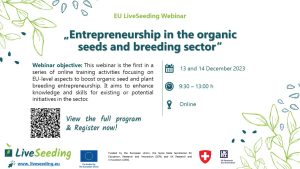
Il webinar dell’Ue “Entrepreneurship in the organic seeds and breeding sector” (Imprenditorialità nel settore delle sementi biologiche e dell’allevamento) si terrà il 13 e 14 dicembre 2023, dalle 9.
A BioFruitNet practice abstract. Organic fruit orchards are dependent on commercial organic fertilizers derived from intensive conventional animal husbandry. These inputs are contentious and to be phased out. As a
A BioFruitNet practice abstract. Fertilization of organic fruit orchards strongly relies on authorized external commercial fertilizers leading to nutrient flows from conventional into organic farming systems. The use of alternative
Nel 2022, circa 6.
L’aumento della popolazione mondiale e il cambiamento delle condizioni climatiche creano sfide nutrizionali.
Negli ultimi tre anni, 21 organizzazioni di 12 paesi europei hanno partecipato al progetto OK-Net EcoFeed di Horizon 2020 per aiutare gli agricoltori a raggiungere il 100% di utilizzo di…